
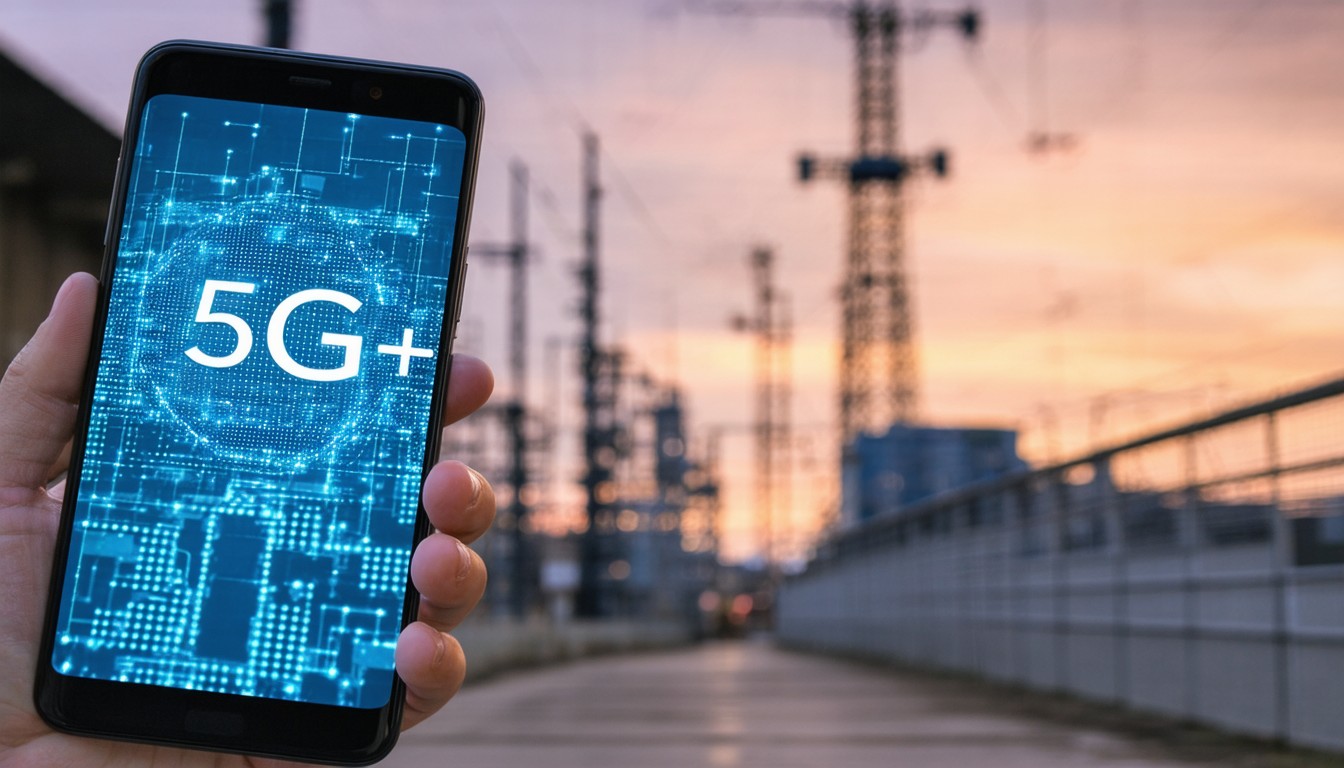
In the accelerating world of mobile technology, terms like “5G” and “5G+” are shaping the way society envisions connectivity. While “5G” signifies the fifth generation of wireless network technology, “5G+” (or “5G Plus”) is increasingly appearing in advertisements, user interfaces, and carrier marketing—all with the promise of faster, better mobile experiences. To demystify “5G+” and its true implications, it’s essential to examine both the technology and branding strategies driving this evolution in wireless communications.
What Is 5G+? Decoding the Term
“5G+” is not a universal technical standard, but rather a carrier-specific term signaling enhanced or upgraded 5G service. Typically, it refers to:
- Use of additional high-frequency spectrum bands (like mmWave or C-band) for ultra-fast data.
- Improved network architecture, including densified antenna deployments and advanced core networks.
- Enhanced features, such as lower latency and higher reliability, above baseline 5G offerings.
For example, in North America, AT&T uses “5G+” to label areas where millimeter wave (mmWave) technology is deployed, offering gigabit speeds in select urban zones. Verizon, on the other hand, may brand its C-band or mmWave coverage as “5G Ultra Wideband,” which shares technological similarities but carries distinct marketing.
Carrier Differences in Defining 5G+
Not every carrier uses “5G+” in the same way. In Europe and Asia, equivalent terms like “5G Ultra” or “5G Premium” may be used to differentiate advanced service areas. While these branding strategies can create confusion, at their core, they reflect the rollout of newer, faster components of the 5G standard.
“Consumers are increasingly seeking clarity around network capabilities. Terms like ‘5G+’ capture the ongoing race among carriers to highlight their most advanced infrastructure, even if definitions vary between markets,”
—Dr. Lisa Martinez, Director of Mobile Networks Research, TechInsights
The Technology Behind 5G+: How It Improves on Standard 5G
Spectrum Utilization: Low-Band, Mid-Band, and High-Band
Standard 5G service often relies on low-band spectrum, which covers long distances but offers modest speed gains over 4G LTE. “5G+” typically indicates access to mid-band (like C-band) and high-band (mmWave) frequencies:
- Mid-band (C-band/3.7–4.2 GHz): Balances speed and coverage; able to deliver multi-hundred Mbps speeds across wide areas.
- High-band (mmWave, 24–40 GHz): Enables peak speeds exceeding 1 Gbps, but coverage is limited to dense urban pockets or indoor venues.
This combination empowers “5G+” networks to support complex use cases, such as augmented reality, high-definition live streaming, and massive IoT deployments.
Network Architecture and Densification
Alongside spectrum improvements, 5G+ networks typically involve:
- Denser small cell deployment: More antennas in cities and venues for stronger signals and less congestion.
- Edge computing integration: Data processing closer to users, reducing latency for real-time applications.
- Network slicing: Allocating virtual network segments for specific services (e.g., critical healthcare devices or autonomous vehicles).
Real-World Example: Sports Stadiums and 5G+
Major sporting venues across the globe have adopted 5G+ grade infrastructure to facilitate live-streaming, AR-guided navigation, and frictionless ticketing using the ultra-responsive, high-capacity characteristics of advanced 5G deployments. Fans in these spaces experience noticeably better service compared to standard 5G or LTE.
5G+ vs. 5G and Other Network Types
It’s easy to conflate “5G+” with earlier technologies like 4G LTE and newer labeling such as “5G UW” (Ultra Wideband). To clarify:
- 4G LTE: Provides solid speeds for most everyday uses, but falls short for bandwidth-intensive applications.
- 5G (Low-Band): Offers incremental improvements in speed and latency, widely available.
- 5G+ / 5G Ultra: Unlocks transformative speed and ultra-low latency by leveraging new spectrum and infrastructure.
Most users will notice faster downloads, smoother streaming, and more consistent connections in “5G+” zones, though geographic availability remains limited compared to nationwide 5G.
Consumer Impact and Availability
While mainstream 5G coverage now reaches most urban and many rural areas in the United States, “5G+” is still concentrated in select metros, airports, and arenas. Device compatibility also matters; only certain smartphones can access mmWave or mid-band frequencies. This phased rollout reflects the significant infrastructure investment required for 5G+ expansion.
The Future of 5G+ and the Wireless Evolution
As 5G standards evolve, so does the meaning of “5G+.” Next-generation advancements—often dubbed 5G Advanced (Release 18)—promise even greater efficiency, energy savings, and integration with artificial intelligence. Meanwhile, carriers will likely continue refining terminology to signal network improvements to consumers.
The Role of Regulation and Standardization
Telecommunications standards bodies are working to harmonize technical definitions, which may eventually narrow the range of marketing terms. However, differentiation will likely persist as operators seek ways to stand out in a highly competitive marketplace.
Conclusion: What 5G+ Means for Mobile Users
In summary, “5G+” represents the next step in mobile broadband—delivering higher speeds, better reliability, and new experiences beyond the reach of standard 5G. While the specifics of “5G+” may shift depending on carrier, region, and available technology, it consistently signals a faster, more capable mobile network. For technology enthusiasts and everyday users alike, keeping an eye on where “5G+” expands will illuminate the path toward the next era of wireless connectivity.
FAQs
What does “5G+” mean on my phone?
“5G+” on your device indicates you’re connected to an enhanced 5G network, often using higher-frequency spectrum capable of delivering much faster download speeds and lower latency than regular 5G.
Is “5G+” the same as 5G Ultra Wideband?
Both refer to advanced forms of 5G using additional frequency bands and improved technology, but the naming varies by carrier. “5G Ultra Wideband” is a Verizon term, while “5G+” is often used by AT&T and other global providers for similar services.
Do I need a special phone for 5G+?
Yes, you generally need a compatible device that supports the particular frequency bands used by 5G+ networks, such as mmWave or newer mid-band spectrums. Not all 5G phones can access these enhanced networks.
Where is 5G+ available?
5G+ is mainly available in select city centers, stadiums, airports, and urban hotspots where carriers have deployed advanced infrastructure. Coverage is expanding but may not be nationwide yet.
Will I notice a difference between 5G and 5G+?
In areas where 5G+ is available and your device is compatible, you’ll likely experience noticeably faster data speeds and lower latency, especially when streaming, gaming, or using data-heavy applications.