

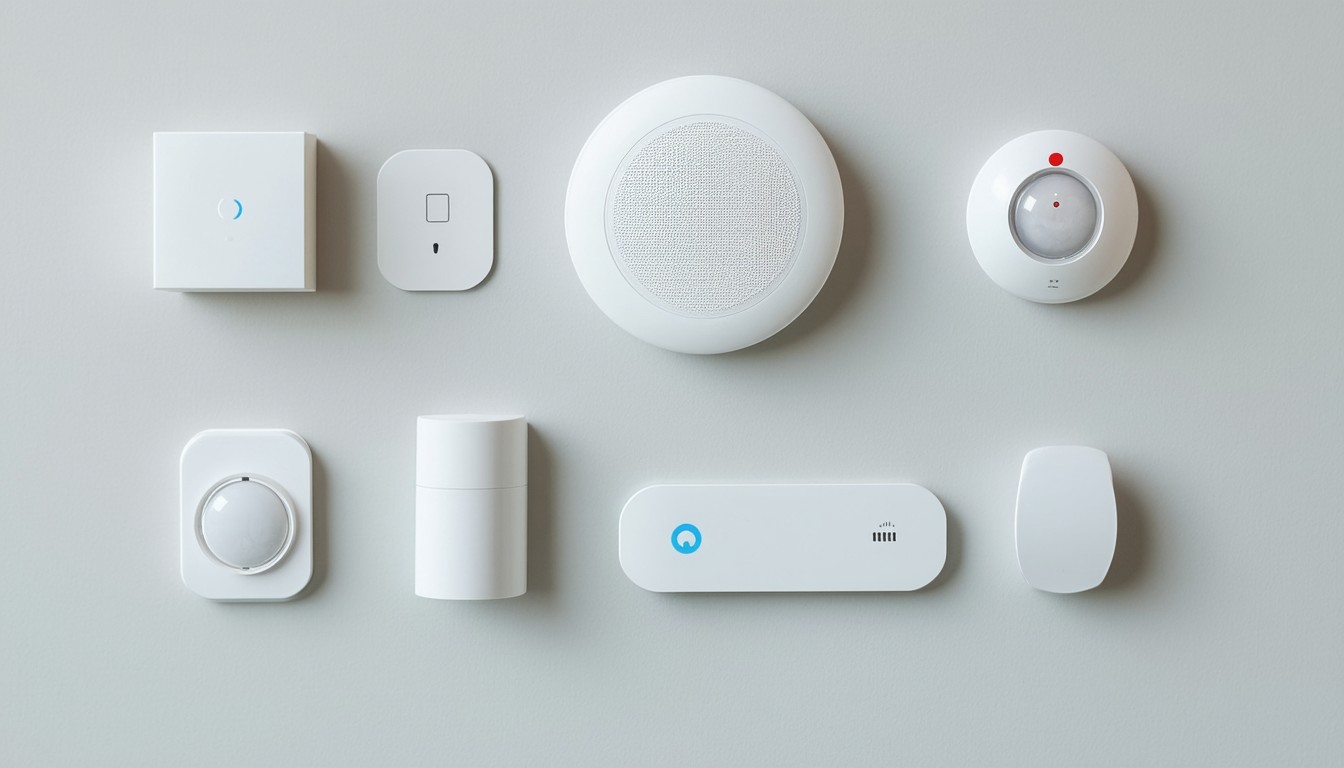
Smart home technology is rapidly transforming household living, melding efficiency with peace of mind. At the heart of this evolution are smart home sensors—tiny, intelligent devices that quietly monitor, respond, and automate countless routine and critical moments in homes worldwide. Today, adopting smart sensors isn’t just the domain of tech enthusiasts; it’s a mainstream movement, simplifying daily tasks and tightening home security in ways unimaginable just a decade ago.
How Smart Home Sensors Work in the Modern Household
Smart sensors operate by collecting real-time information about their environment—motion, humidity, sound, temperature, and more. These insights fuel automated reactions or trigger alerts, providing homeowners with seamless convenience and vital security.
Notably, most leading systems—including offerings from Google Nest, Amazon, and Samsung SmartThings—integrate a variety of sensor types and connect via Wi-Fi, Zigbee, or Z-Wave protocols. Homeowners can manage these sensors through centralized apps, voice assistants, or integrated dashboard panels, tailoring their automation to personal routines and risk tolerances.
Types of Popular Smart Home Sensors
1. Motion Sensors:
Detect movement and trigger automation, from turning on lights to alerting authorities of potential intruders.
2. Door/Window Contact Sensors:
Signal when an entry point is opened or closed, enabling instant security notifications or actions like activating indoor cameras.
3. Glass Break and Vibration Sensors:
Identifies the unique audio or vibration signature of broken glass, acting as a frontline defense against forced home entry.
4. Environmental Sensors (Temperature, Humidity, Water Leak):
Monitors for anomalies such as unexpected temperature swings, leaks or floods, and even air quality, helping prevent damage or system failures.
5. Smoke and CO Detectors:
Upgraded with smart capabilities, these sensors send alerts directly to smartphones and integrate with broader home safety networks.
Real-World Automation Scenarios
Consider a scenario in which a family leaves for vacation. By arming their smart security system, they activate a network of door/window sensors, motion detectors, and cameras. If a door unexpectedly opens, their system can instantly notify them, start recording video, and contact a monitoring service. Meanwhile, a water leak sensor can alert them to plumbing issues before catastrophic water damage occurs.
Leading Smart Home Sensors for Security
Security remains the top motivator for most consumers adopting smart sensors. Today’s leading options blend user-friendly design with robust protection, helping to deter threats and ease anxieties.
Google Nest Secure: All-in-One Simplicity
Google’s Nest Secure suite exemplifies convenience and reliability. The Nest Detect sensors combine motion and open/close detection, minimizing the number of installed devices while maximizing coverage. These sensors can differentiate between potential intruders and harmless activity, reducing false alarms—a crucial feature for busy households.
Ring Alarm Contact Sensors: Expanding Protection
Ring’s widely compatible sensors integrate easily with the company’s ecosystem. Their door and window sensors, enhanced by motion detectors and integration with video doorbells, allow homeowners to receive instant mobile notifications and automate lighting or sirens when suspicious activity arises.
Aqara Wireless Mini Sensor: Affordable, Flexible Integration
Aqara offers Zigbee-based sensors praised for affordability and versatility. Their range suits both DIY and professional installations, with users often combining motion, temperature, and humidity sensors for a tailored smart security setup.
“The best smart home sensors work without getting in your way. They deliver information and action when you need it—and disappear into the background otherwise.”
— Jenna Willoughby, Smart Home Technology Analyst
Beyond Security: Sensors for Comfort, Energy Savings, and Health
While security is a clear driver, the second wave of sensor innovation emphasizes comfort, energy efficiency, and wellness. In practical terms, this means homes that not only protect, but intelligently adapt to their occupants’ needs.
Environmental Monitoring and Automation
Temperature and humidity sensors, like those offered by Ecobee and Honeywell, allow for precision climate control. Automatically adjusting the thermostat, closing blinds, or triggering fans during peak heat can reduce energy usage and bills.
Air quality sensors are finding their way into more homes as awareness of allergens and pollutants grows. Systems such as Awair and IQAir can detect high levels of particulate matter, prompting air purifiers or HVAC systems to kick in only when needed—an intersection of health and cost savings.
Flood and Leak Prevention
Water leak sensors are unsung heroes for homeowners worried about sudden pipe bursts or slow leaks. Placing these sensors near sinks, washing machines, or water heaters can mean the difference between preventive action and costly restoration after the fact. Some insurers now even offer discounts for households outfitted with such devices.
Choosing and Integrating the Right Sensors
Selecting the right set of smart sensors involves balancing a family’s specific security needs with convenience priorities. Key considerations include:
- Ecosystem Compatibility: Ensure sensors work with existing smart home platforms (like Alexa, Google Home, or Apple HomeKit) for streamlined control.
- Range and Battery Life: Wireless sensors should cover required distances and last months or years on a charge.
- Installation: DIY-friendly models often use adhesive backing or easy screws; professional setups may be warranted for larger homes.
Seamless Integration Tips
Many homeowners find the most value in sensor ecosystems that share data between devices. For example, motion detected in a hallway can trigger an HD camera to begin recording or lights to illuminate, while door sensors can put the whole system into “away” mode if the family leaves for the day.
The Future of Smart Home Sensors
As the adoption of smart home sensors accelerates, the industry is focusing on interoperability and AI-driven insights. Emerging standards like Matter aim to make sensors from different manufacturers work smoothly together, simplifying choice and ensuring upgrades in the years ahead.
Increasingly, sensors are being woven into smart appliances, furniture, and even window coverings, expanding the boundaries of automated living. As homes grow more connected, the promise of truly “set-and-forget” convenience and security comes ever closer.
Conclusion
Smart home sensors are transforming the modern living space, blending robust security with remarkable convenience. From motion-activated lighting to instant leak notifications and environmental monitoring, these devices put control, safety, and comfort into the homeowners’ hands. Key to successful implementation is selecting solutions compatible with existing ecosystems and prioritizing devices that deliver reliable, automated insights—ensuring technology serves, rather than complicates, everyday life.
FAQs
What are the most important smart sensors for home security?
Motion detectors, door/window contact sensors, and glass break sensors are essential for a foundational security system, providing both deterrence and instant alerts in case of intrusion.
Can smart home sensors help reduce energy costs?
Yes. Sensors that monitor occupancy, temperature, and humidity can automate heating, cooling, and lighting, leading to better energy management and lower utility bills.
Are smart home sensors compatible with different platforms?
Many major sensors integrate with platforms like Alexa, Google Home, and Apple HomeKit, but it’s important to verify compatibility before purchase for best results.
How difficult is it to install smart home sensors?
Most consumer models are designed for easy DIY setup with adhesives or simple hardware. More complex integrations or large-scale systems may require professional installation.
What should I do if a sensor triggers a false alarm?
Adjusting sensitivity settings and ensuring proper placement can minimize false alarms, and most systems allow for easy overrides or temporary disablement via an app.
Are there privacy concerns with smart home sensors?
While most sensors like motion or contact devices don’t record images or audio, users should review privacy policies, especially for integrated cameras or microphones, and secure devices with strong passwords and up-to-date firmware.