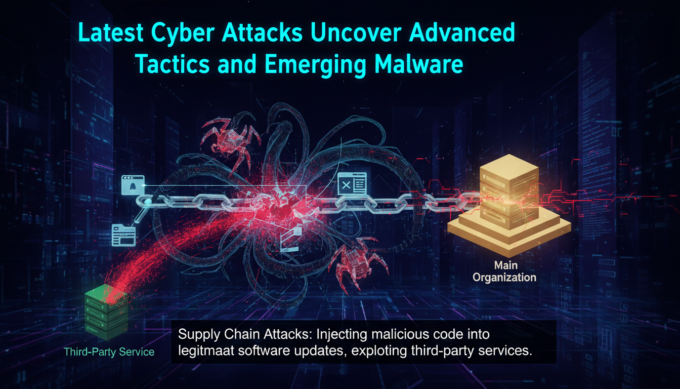

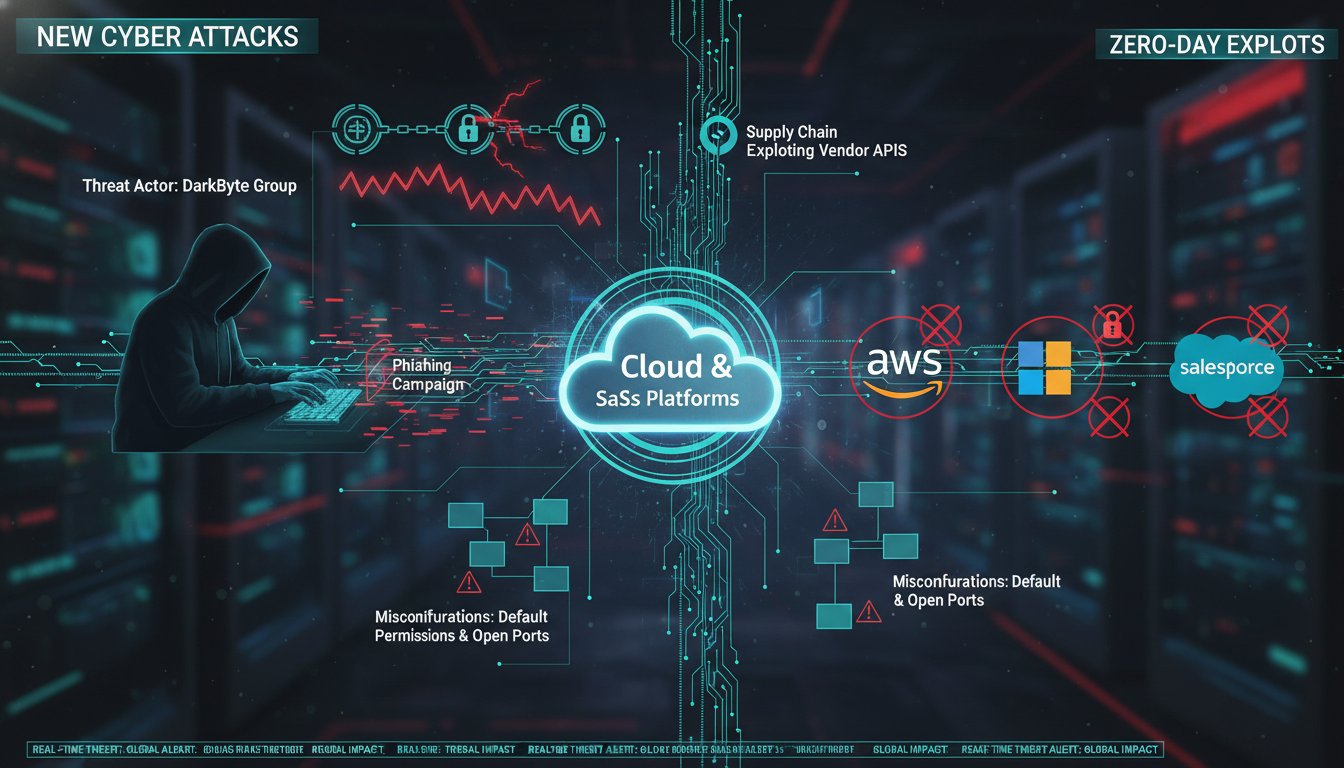
Cloud-based systems and SaaS (Software-as-a-Service) platforms are increasingly becoming prime targets for cyberattacks, with threat actors exploiting misconfigurations, weak API security, and poor access controls to gain unauthorized access to sensitive enterprise data. This surge in attacks reflects the shifting landscape of malicious activity from traditional on-premises environments to the more connected and exponentially growing cloud ecosystem.
Why Cloud and SaaS Have Become High-Value Targets
Cybercriminals are chasing where the data lives, and that’s increasingly in the cloud. As companies rush to adopt SaaS tools for collaboration, analytics, and infrastructure, the volume of high-value data—customer records, financials, intellectual property—stored on these platforms skyrockets.
At the same time, misconfigured cloud storage buckets, unsecured APIs, and overly permissive identity policies leave critical systems vulnerable. Malicious actors scan for exposed endpoints, then exploit them to steal data or deploy ransomware.
The rise in targeted attacks on cloud environments highlights the need for specialized defenses:
- Misconfigurations remain one of the leading cyber vulnerabilities in cloud environments.
- Credential theft enables attackers to pivot across services once initial access is gained.
- Zero trust adoption lags behind, increasing potential exposure.
Anatomy of Recent Cloud Attacks
Misconfigurations and Over-Permissioned Access
Companies often mismanage identity and access policies, granting unnecessary rights to personnel or external systems. Attackers exploit these privileges to move laterally or exfiltrate information.
For instance, in a real-world scenario, a SaaS vendor inadvertently left an admin panel accessible online without authentication. A curious researcher—or were they testing security?—stumbled upon it, leading to a serious breach of customer data.
Exploiting Flawed APIs
APIs form the backbone of cloud services. But poorly secured or undocumented APIs can act as silent doorways into systems. Attackers might reverse-engineer mobile apps or browser clients to discover hidden endpoints and craft malicious requests.
A prominent case involved a productivity SaaS tool where an outdated API exposed user session tokens. Attackers harvested these tokens to impersonate users and manipulate sensitive documents across the platform.
Credential Theft and Identity Attacks
Phishing campaigns and malware targeting virtual desktops or developer environments are a staple. Once credentials are compromised, attackers exploit them to impersonate users, escalate permissions, and access additional services—especially in environments lacking robust identity monitoring.
One campaign specifically targeted remote workforce environments, capturing credentials and using them to log into cloud service consoles, shifting fast from user accounts to system-level access.
Strengthening Defenses in the Cloud
An effective defense against cloud- and SaaS-focused cyberattacks comes from combining people, processes, and technology:
Implementing Zero Trust and Least Privilege
Start with strict least-privilege policies, granting access only as necessary, and enforce zero trust—every request, by default, should be considered untrusted until verified.
Configure identity and access management (IAM) policies carefully, routinely audit permissions, and automatically revoke unused roles. Onboarding and offboarding processes should include timely privilege adjustments.
Securing APIs and Endpoints
Make sure APIs require strong authentication and enforce rate limits, input validation, and property-based logging. Review and deprecate undocumented or legacy endpoints—sometimes hidden features are the most dangerous.
Use API gateways and protective proxies. Monitor unusual request patterns or spikes in use that may indicate scanning or exploitation.
Detecting and Responding to Threats
Behavioral analytics can catch deviations in user or service patterns—like logins at odd hours, access from new locations, or unusual data downloads. Combine this with proactive, red-team-style exercises to reveal vulnerabilities before real criminals do.
Cloud-native tools and third-party monitoring systems can help. And don’t forget audit logging—keep detailed records of access and changes.
Real-World Example: The Rapid Attack Chain
Let’s walk through a plausible scenario, something that could easily happen in the wild:
- An attacker discovers an exposed SaaS admin panel due to misconfiguration.
- Using a stolen session token (obtained through social engineering or phishing), they log in as an admin.
- Once inside, they escalate privileges, exporting data from internal systems and planting backdoors.
- Logs are manipulated to erase traces—or at least delay detection.
- The attacker demands ransom or sells data on underground forums.
This chain illustrates how small errors—leaving a panel exposed, not rotating tokens, ignoring long-tail APIs—can cascade into catastrophic access.
Expert Insight
“As organizations move more workloads to SaaS, the attack surface expands unpredictably. Without consistent vulnerability management and thoughtful policy controls, breaches are not a matter of if but when.”
It’s a reminder that vigilance in cloud environments must be relentless—but smartly applied.
Summary: Key Takeaways
- Cloud and SaaS platforms are increasingly targeted due to their central role in storing and managing business-critical data.
- Common vulnerabilities include misconfigurations, exposed APIs, and weak identity controls.
- Strong defense relies on least privilege, zero trust, secure API management, behavioral monitoring, and continuous auditing.
- Preparing for and simulating attack chains reveals systemic weaknesses that might otherwise remain hidden.
FAQs
What makes SaaS platforms particularly vulnerable to attacks?
SaaS platforms attract attackers because they often store mission-critical data and can be misconfigured, especially around identity, API access, and privilege management. The ease of exposure through misconfigurations and evolving integrations heightens risk.
How does zero trust help protect cloud environments?
Zero trust treats every interaction as potentially malicious, requiring strict verification for each request. It minimizes lateral movement and limits the blast radius of compromised credentials by enforcing continuous authentication and least-privilege access.
Can API gateways really secure cloud SaaS services?
Yes, API gateways act as protective buffers, enforcing authentication, rate limiting, input checks, and logging. They help prevent misuse of undocumented or deprecated endpoints that attackers might discover.
What’s the importance of behavioral monitoring in detecting attacks?
Monitoring behavioral anomalies—such as unexpected login times, unusual data transfers, or new access locations—can surface stealthy attacks quicker than static measures. These deviations often indicate active exploitation or reconnaissance.
Are misconfigurations the biggest cybersecurity threat today?
Misconfigurations are among the most common and critical threats in cloud environments, though not the only one. Vulnerable APIs, stolen credentials, and inadequate logging also contribute significantly to security risk.
How can companies proactively test their cloud defenses?
Red teaming, penetration testing, audit reviews, and simulated phishing campaigns help identify weak points in configuration, access, and response readiness. These exercises strengthen overall resilience by exposing gaps before attackers do.
Cloud and SaaS security isn’t a checkbox—it’s an evolving, constantly shifting challenge. Vigilance, layered defenses, and realistic testing are the only effective strategies to stay ahead of the latest attacks.