
Critical vulnerabilities in widely used software platforms pose an immediate, serious threat by enabling malicious actors to exploit millions of systems across industries—often before patches are applied. The risks span everything from data breaches and ransomware outbreaks to supply-chain disruptions, and ignoring these flaws can result in cascading consequences for businesses and individuals alike.
The Nature of Critical Vulnerabilities in Popular Software
Defining “Critical” in Context
A vulnerability is labeled “critical” when it can be exploited remotely without authentication and could lead to full system compromise or data leakage. These flaws often involve buffer overflows, insecure deserialization, or privilege escalation, and they target infrastructure that touches large swaths of organizations—think web servers, enterprise apps, or popular open-source libraries.
Why Widely Used Platforms Are Particularly Exposed
Large-scale platforms attract more scrutiny because coders reuse code, and once exploited, any flaw hits a broad user base. For example, a flaw in a core logging library or a ubiquitous web framework can be weaponized swiftly with automation.
Supply Chain Exploits: From Dependency to Disaster
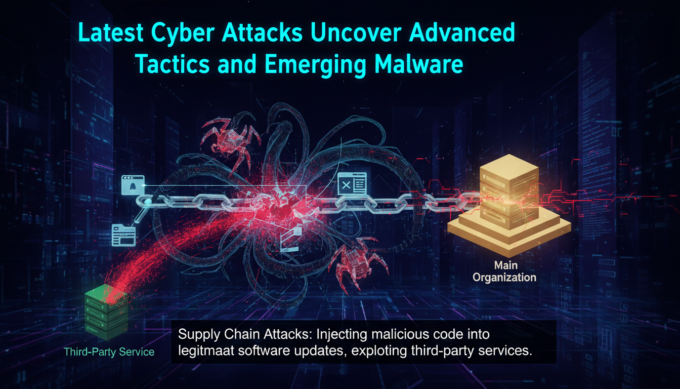
Recently, we’ve seen how weak links in software supply chains—dependencies nested deep in widely utilized platforms—can allow attackers to insert malicious code that propagates across thousands of projects. It’s a case of “you are only as secure as your weakest shared library.”
Real-World Incidents Illustrating the Threat
Case Study: Log4Shell (Apache Log4j)
When the Log4Shell vulnerability surfaced in late 2021, it exposed JNDI lookup functions in the Log4j library, allowing remote code execution through crafted log messages. Millions of systems—from cloud providers to embedded devices—were instantly vulnerable, prompting an urgent scramble to patch systems or implement mitigations. This felt like a digital heart attack for security teams everywhere.
Case Study: Spring4Shell (Spring Framework)
A few months later, another critical vulnerability emerged in the Spring Framework. Dubbed “Spring4Shell,” it enabled unauthenticated remote code execution in applications running on Java 9 or later. Since Spring is a go-to framework for enterprise apps, the issue rippled across countless corporate backends, bringing intense attention to patch management and dependence on core frameworks.
Case Study: OpenSSL and Heartbleed Legacy
Though Heartbleed is older, its impact still serves as a warning. The bug in OpenSSL’s heartbeat extension exposed chunks of server memory, including private keys and personal data. Its lingering effects informed how organizations think about patching critical cryptographic libraries.
Why Businesses Often Lag in Response
The Challenge of Patch Deployment
Updating systems enterprise-wide often involves layering patches, testing compatibility, and coordinating with third-party vendors. That delay becomes an opening for attackers eager to exploit the window between disclosure and deployment.
Complexity of Legacy Systems
In many organizations, outdated systems or custom integrations make applying patches tricky. Sometimes teams avoid updates because they fear breaking dependencies or losing vendor support.
Security Fatigue and Prioritization Gaps
When vulnerabilities are frequent and alerts are constant, fatigue sets in. Security teams may deprioritize remediation unless the threat feels imminent, and decision-makers may defer fixes in favor of operational continuity.
Strategies to Mitigate Critical Vulnerabilities
Rapid Detection and Patch Prioritization
Organizations should have vulnerability management systems that highlight severity, exploitability, and business impact—so that critical issues get top billing. Continuous monitoring and response are key.
Layered Defense: WAFs, Sandboxing, and Runtime Monitoring
Even when patching is delayed, deploying web application firewalls (WAFs), sandboxing critical apps, and implementing behavioral anomaly detection can limit exposure. These tools don’t replace updates, but they buy time.
Software Bill of Materials (SBOMs) and Dependency Tracking
Maintaining an SBOM allows teams to know exactly what’s running in their stack, including transitive dependencies. When a vulnerability hits any component, it’s easier to trace and remediate.
Incident Response Planning and Drills
Having a rehearsed incident response plan means teams don’t freeze when news breaks of a severe vulnerability. It also means communication channels, roles, and escalation paths are clear—critical for getting patches deployed under pressure.
Expert Insight on Handling Critical Vulnerabilities
“In a modern enterprise, you’re playing both offense and defense. Preparing for critical vulnerabilities isn’t just about patching; it’s about being ready to detect, respond, and contain—even in imperfect conditions.”
This captures the balance necessary: rapid action, layered controls, and organizational agility.
Framework for a Resilient Vulnerability Program
1. Discovery and Inventory
- Maintain dynamic inventories of all software components, including containers and third-party modules.
- Automate scans to detect new assets or versions.
2. Risk Assessment
- Use CVSS scores plus contextual factors like exploit availability and asset criticality to rank vulnerabilities.
- Evaluate attacker intent: is this flaw being responsibly disclosed, weaponized, or observed in-the-wild?
3. Remediation Workflow
- Fast-track patches that allow remote, unauthenticated execution or data exposure.
- Use phased rollouts, starting with test environments, then staging, then production.
4. Mitigation Tactics During Patch Lag
- Deploy virtual patching via WAF rules.
- Socialize network segmentation: isolate affected services to limit lateral movement.
5. Post-Incident Review and Learning
- After resolving, conduct a root-cause analysis of why the vulnerability was exploitable and whether monitoring failed.
- Update playbooks and train teams on improvement areas.
Common Pitfalls in Vulnerability Management
- Assuming patches equal safety: Without comprehensive testing and verification, patching can introduce new faults or misconfigurations.
- Overlooking shadow IT: Undocumented systems often remain open to attack since they’re outside standard scan coverage.
- Ignoring context: A critical vulnerability in a low-use internal tool may not need the same immediate push as one in a customer-facing portal—but ignoring context can be dangerous if that portal unexpectedly gains prominence.
- Delay in communication: Not informing stakeholders quickly, including customers or partners, can erode trust—especially if exploitation occurs.
Conclusion
Critical vulnerabilities in ubiquitous software platforms remain one of the most daunting cybersecurity challenges today. When these flaws emerge, they endanger broad swaths of digital infrastructure—if not addressed swiftly and smartly. Balancing rapid patching with layered defenses, detailed inventorying, and strategic response plans forms the backbone of effective preparedness.
The constant message is clear: reactive patching alone isn’t enough. A resilient program integrates detection, mitigation, delivery, and reflection. Businesses that cultivate this discipline not only survive critical events—they grow more secure from the lessons learned.
FAQs
What exactly makes a vulnerability “critical”?
A vulnerability is deemed “critical” when it enables remote exploitation without authentication and can result in full system compromise or significant data leakage. Severity depends on both technical impact and how widely the affected software is used.
How can companies prioritize patching efficiently?
By combining technical severity scores (like CVSS) with business context, exploit activity, and asset importance, teams can triage vulnerabilities. Automated systems and streamlined workflows help get critical patches out faster.
Are mitigations like WAFs reliable stops if patching is delayed?
They’re valuable stopgaps but not foolproof. Web application firewalls, sandboxing, and network segmentation reduce exposure temporarily, yet should not replace timely patching—just extend the window of defense.
Why is maintaining a Software Bill of Materials (SBOM) useful?
SBOMs document all software components, direct or nested, offering visibility into third-party and open-source dependencies. This clarity makes it much easier to identify where an attack surface lies when a new vulnerability is disclosed.
What should a post-incident review focus on?
It should analyze what went wrong—from detection to response—and identify gaps in inventory, processes, communication, or tooling. The goal is to update playbooks, improve detection, and strengthen future reactions without finger-pointing.