
Docker vulnerabilities can seriously undermine the security and reliability of containerized workloads. They expose systems to unauthorized access, data breaches, and lateral attacks within environments, and can disrupt service continuity. Addressing these flaws requires both vigilance and proactive security strategies integrated into devops cycles.
Understanding Docker Security Risks
Container technologies like Docker simplify deployment—but they also shift responsibility for security toward developers and operations teams. Misconfigured container images, outdated base layers, and insufficient isolation are common vectors exploited by attackers. On the surface, Docker shares the host’s kernel, so a break in isolation might extend beyond one container.
Types of Vulnerabilities
- Container Escape: When a malicious process leaves its container sandbox and executes on the host, compromising the system.
- Image Poisoning: Attackers tamper with images in registries, introducing malware into downstream deployments.
- Privilege Misconfiguration: Running containers with root-level permissions may allow a simple exploit to escalate into full host compromise.
Recognizing how these issues intersect is crucial. A misconfigured Docker daemon combined with a vulnerable image could lead to a total system compromise.
Real-World Examples and Impacts
In one real-world scenario, developers accidentally shipped a container with an unpatched version of a widely used library. When that image was deployed, attackers scanned for the vulnerability and exploited it, leading to data exfiltration. The root cause? Outdated dependencies and no image vulnerability scanning integrated in the CI pipeline.
Another case involved a public Docker registry where default credentials weren’t changed, allowing attackers to upload malicious images. End users who trusted that registry pulled the tainted images unknowingly—resulting in supply chain compromise.
Princeton researchers noted a growing trend: as container adoption rises, exploit patterns mirror those in traditional operating systems, but the speed and scale amplify the risk.
Breach Mechanisms and Propagation
Lateral Movement within Docker Environments
Once a containerized environment is compromised, attackers often move laterally. Shared volumes, network bridges, and weak separation allow traversal across containers. On the other hand, orchestrators like Kubernetes introduce additional layers where misconfigurations in role-based access control (RBAC) can escalate the impact.
Supply Chain Attacks via Docker Images
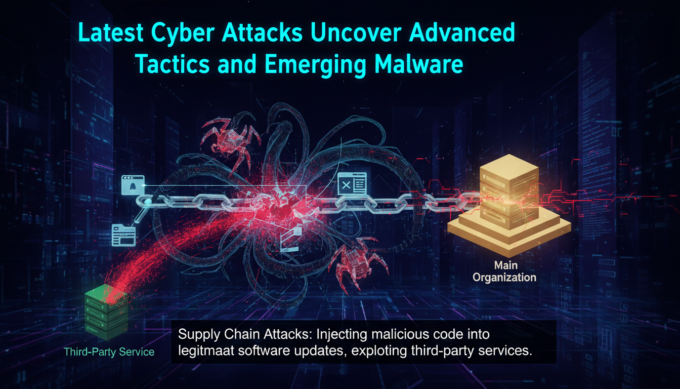
A key part of Docker’s power lies in reusable images—but this opens the door to supply chain vulnerabilities. Even well-intentioned developers might compress insecure packages into base images. Once those flow downstream, tens or hundreds of workloads may inherit the risk.
“Containers are both a boon and a blind spot—offering efficiency and encapsulation, but quietly propagating trust issues unless actively managed.”
Mitigation Strategies and Best Practices
Hardening Techniques
-
Least Privilege Configuration
Always run containers with the minimum permissions they need. Avoid using--privileged, limitCAP_SYS_ADMIN, and isolate user namespaces. -
Regular Image Audits
Employ vulnerability scanners during the build phase—tools like Clair, Trivy, or internal scanning suites. Automated checks in CI/CD can catch CVEs before they propagate. -
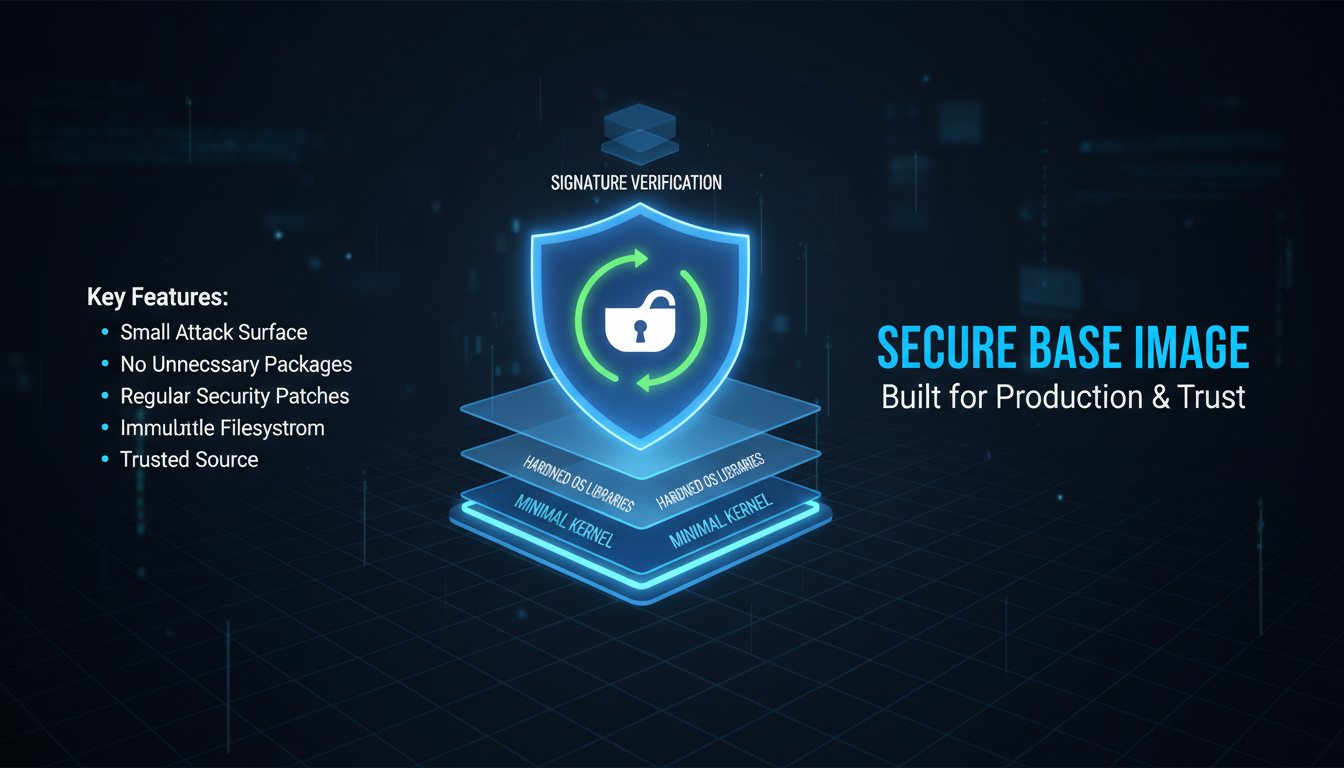
Secure Base Images
Favor minimal, well-maintained base images. Update, rebuild, and patch frequently. Whenever possible, use official libraries and employ reproducible builds. -
Network and Storage Isolation
Segment container networks, secure volume mounts, and avoid sharing sensitive host paths. Use namespaces and cgroups to enforce boundary discipline.
Integration with DevSecOps
Embedding security in workflow matters:
- Include image scans in pull request validations.
- Automate updates for base images and dependencies.
- Incorporate runtime security tools—e.g., Falco or Aqua—to detect anomalous behavior post-deployment.
Organizational Controls
Teams must align roles so security doesn’t lag. Establish clear incident response playbooks: know who patches the host, who re-tags images, who updates configurations. Without clarity, mitigation becomes chaotic.
Evolving Trends and Emerging Threats
As adoption of containers accelerates—especially in production clusters—threat actors increasingly tailor exploits to container-specific gaps. Unpatched orchestrators, privilege escalation via misconfigured namespaces, and poisoned entries in private registries are rising trends.
On the plus side, there’s growing availability of vendor-grade container security tools that identify risk in registry artefacts and enforce runtime enforcement policies. Public cloud vendors are also embedding container firewalls and workload identity controls into their platforms, pushing security further left in the deployment pipeline.
Conclusion
Docker vulnerabilities pose a real threat to containerized workloads, from image poisoning to privilege misconfigurations and lateral breaches. The good news? A layered, proactive approach—combining tight configuration, image scanning, runtime monitoring, and organizational clarity—can dramatically reduce risk. Embracing DevSecOps principles ensures that security becomes a foundational pillar, not an afterthought.
FAQs
What is the most common Docker vulnerability?
A frequent issue is misconfiguration—particularly running containers with unnecessary privileges, which can enable privilege escalation or host compromise.
How do image scanners help secure container workloads?
Image scanners identify known vulnerabilities within container layers during build time, allowing issues to be remediated before deployment.
Can a compromised container affect the host system?
Yes—especially if the container runs with elevated privileges or the host lacks namespace isolation. Proper configuration is essential to prevent such escapes.
Is it enough to rely on official container images?
Not entirely. Even official images may carry outdated dependencies. Regularly updating and scanning base images is still necessary.
What role does configuration management play in securing containers?
Configuration is central; enforcing least-privilege policies, proper network segmentation, and controlled volume mounts all help prevent breaches.
How does DevSecOps enhance Docker security?
By integrating security into the CI/CD pipeline—for example, automated scans, automated updates, and runtime monitoring—DevSecOps ensures vulnerabilities are caught and remediated early, limiting exposure.